
Many individuals often underestimate their true financial standing, frequently falling into the trap of comparing their own circumstances to inflated or unrealistic depictions of wealth seen through various media. However, authentic financial stability is not merely about possessing immense riches or indulging in lavish expenditures. Instead, it is deeply rooted in the cultivation of consistent, positive fiscal behaviors and habits. These include the ability to manage monthly obligations without undue anxiety, the foresight to accumulate emergency savings, and the prudence to steer clear of burdensome high-interest debt. The journey to financial security is often a gradual accumulation of small, incremental victories that, when sustained over time, contribute significantly to one's overall economic health and, crucially, to a sense of peace regarding personal finances.
The Pillars of Financial Well-being: Recognizable Strengths
For countless individuals, the journey toward financial peace of mind begins with fundamental yet profound indicators. One such indicator is the capacity to consistently settle recurring expenses—such as rent, utility bills, and insurance premiums—without experiencing overwhelming stress or panic each month. This seemingly simple ability signifies a considerable step forward, as many people operate on a paycheck-to-paycheck basis, where even minor unexpected costs can disrupt their financial equilibrium. The absence of such monthly anxiety is a powerful testament to genuine financial health.
Furthermore, the presence of an emergency fund, regardless of its size, acts as a critical buffer against life's unpredictable challenges. Whether it's an unforeseen car repair, an urgent medical bill, or a temporary disruption in income, having readily accessible savings can transform a potential crisis into a manageable inconvenience. Such funds prevent individuals from resorting to high-interest credit cards, a common pitfall that can quickly spiral into significant debt. In a society where a considerable portion of the population struggles to cover even modest unexpected expenses, possessing this financial safety net is a clear sign of superior financial standing.
Another vital aspect of robust financial health is the conscious effort to avoid or minimize high-interest credit card debt. Even those who appear to lead affluent lifestyles can be burdened by substantial debt, with interest payments eroding their income and impeding long-term financial growth. Individuals who diligently pay off their credit card balances and prioritize debt reduction are, perhaps unknowingly, building a solid foundation for lasting financial stability. This proactive approach ensures that hard-earned money is not continually siphoned away by interest charges, allowing for greater accumulation of wealth and investment in one's future. It underscores the notion that what one skillfully avoids in financial terms can be just as impactful as what one earns.
Beyond the Numbers: A Holistic View of Prosperity
True financial stability also encompasses the freedom to enjoy life's smaller pleasures without guilt or stress. This includes the ability to occasionally dine out, pursue hobbies, embark on vacations, or engage in entertainment responsibly. The goal of financial prudence is not to eliminate all forms of enjoyment but rather to achieve a balance where such indulgences are afforded within one's means, rather than financed through debt. Many who are financially secure lead modest lives while still allocating resources for periodic splurges, embodying the principle that stability is about equilibrium, not constant self-deprivation.
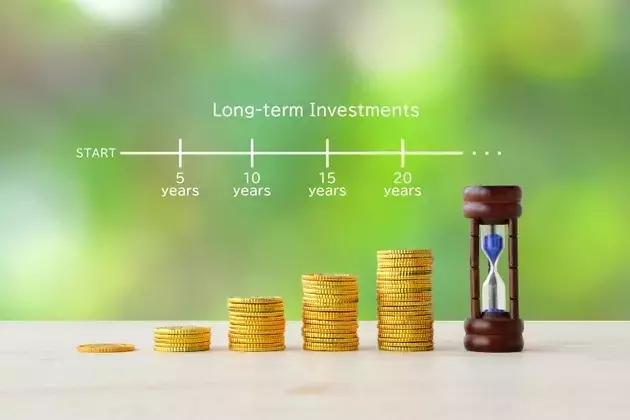
Finally, and perhaps most importantly, cultivating consistent saving habits is paramount. The enduring power of compounding ensures that even modest, regular contributions can grow into substantial sums over time. While saving a small amount each month might seem insignificant, this long-term consistency is often the bedrock of a robust financial future. Beyond the monetary gains, disciplined saving instills invaluable money management skills and fosters confidence, transforming perceived financial weakness into genuine strength. Recognizing these often-overlooked signs can help individuals appreciate their financial progress and reinforce positive habits, leading to a more secure and fulfilling life.