In the current financial climate, influenced by the US-Iran Memorandum of Understanding (MOU) and evolving central bank strategies, a strategic approach to investment is crucial. While immediate market trends might show a positive bias for certain assets like equities and industrial commodities, the broader economic landscape suggests caution. Investors are advised to consider increasing their cash reserves, preparing for potential downturns driven by shifts in monetary policy and significant capital reallocations in the market.
The long-term economic outlook, particularly concerning industrial commodities, presents a more robust picture. The substantial development fund linked to the US-Iran MOU is expected to fuel a considerable increase in demand for these materials over the coming years. This potential boom, however, is deeply intertwined with the successful implementation of the MOU, sustained international trade, and active foreign participation in Iran's reconstruction, which could also reduce geopolitical risks.
Navigating Market Volatility with Strategic Cash Building
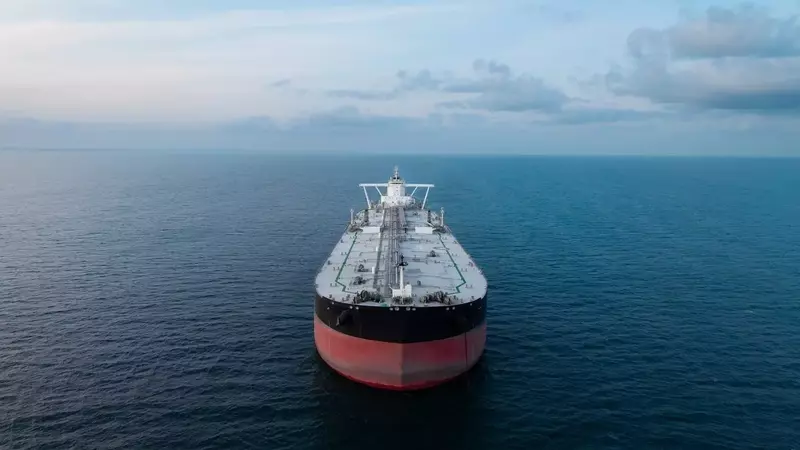
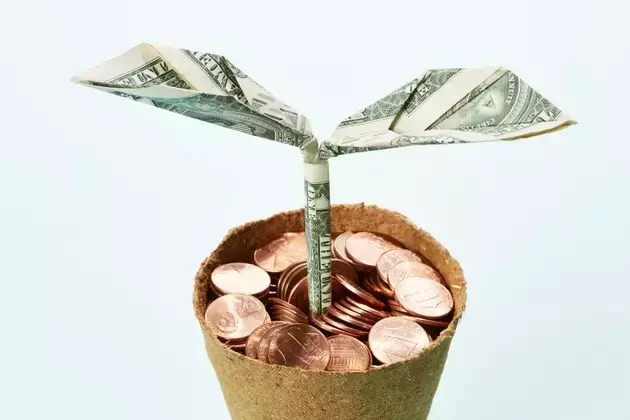
In the short term, the financial markets, including equities, industrial metals, and gold, could experience a modest upward trend, assuming the US-Iran Memorandum of Understanding (MOU) remains active and the Strait of Hormuz reopens as planned. This immediate buoyancy presents an opportune moment for investors to reassess their portfolios. The advice for investors is to leverage this period of positive market sentiment to reduce overall risk exposure and systematically accumulate cash. This cautionary approach is rooted in the anticipation of significant market corrections in the near future, driven by a confluence of factors such as tightening global liquidity and the shifting stances of major central banks.
The current market conditions, characterized by central banks either tightening monetary policy or maintaining a hawkish 'on-hold' position, alongside large Initial Public Offerings (IPOs) diverting capital towards real assets, inherently amplify the downside risks for equity markets. This environment suggests that while there might be short-lived gains, the underlying forces are converging towards a period where capital preservation through increased cash holdings becomes a prudent strategy. Consequently, investors should prioritize strengthening their cash position to mitigate potential losses from impending market instability.
Long-Term Commodity Prospects and Geopolitical Stability
Looking beyond immediate market fluctuations, the long-term forecast for industrial commodities, specifically over the next one to two years, remains exceptionally strong, largely due to the implications of the US-Iran MOU. This agreement is tied to a substantial $300 billion development fund, which is projected to catalyze a significant surge in demand for these vital materials. Such a massive influx of investment into Iran's reconstruction efforts is expected to generate a robust and sustained demand, pushing commodity prices considerably higher than their current levels. This long-term positive outlook underscores the potential for substantial returns for those invested in industrial commodities, provided the geopolitical framework remains stable.
A critical aspect of this optimistic long-term view is the correlation between increased economic engagement with Iran and enhanced regional stability. The greater the volume of trade activities with Iran and the more foreign companies and investors become involved in the country’s rebuilding, the lower the likelihood of future conflicts. This economic interdependence fosters an environment where the continuation of the MOU, the unrestricted flow of trade through critical shipping lanes like the Strait of Hormuz, and sustained foreign direct investment are not just economic imperatives but also integral to maintaining peace and reducing geopolitical risks in the region. Thus, the long-term investment narrative for industrial commodities is intrinsically linked to the ongoing success of diplomatic and economic partnerships with Iran.