
Elementary school lunchrooms often serve as unexpected arenas for social complexities, far removed from the innocent play of the playground or the routine of the bus ride. Here, the contents of a lunchbox can become central to unspoken "politics" that shape children's daily interactions. Kids face pressure to share or trade snacks, confront misunderstandings about diverse culinary traditions, and grapple with the inherent social anxieties surrounding seating arrangements and peer groups. These experiences, though seemingly minor, play a significant role in a child's development.
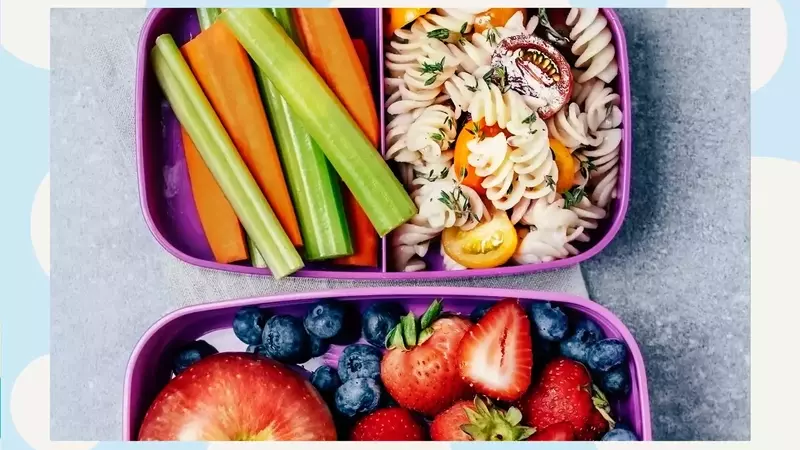
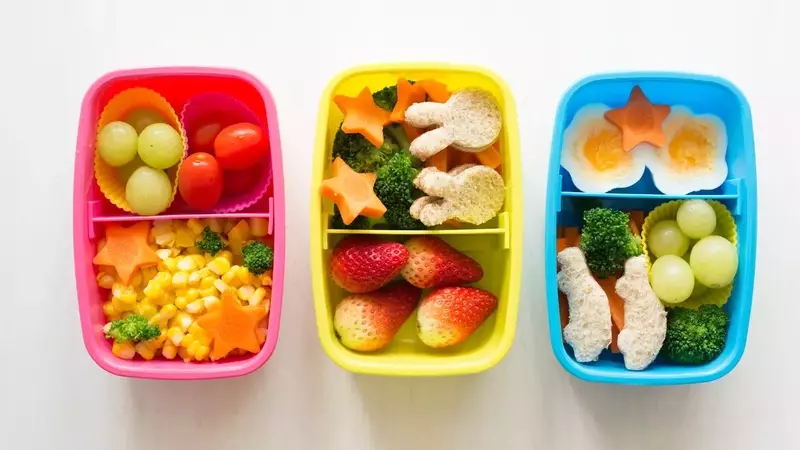
Addressing these lunchroom dynamics through proactive conversations at home can provide children with essential life skills. When it comes to food trading, parents can empower children by involving them in snack choices and teaching them to establish healthy boundaries. Dr. Jenny Woo, CEO of Mind Brain Emotion, advises parents to educate children about respecting others' belongings and food allergies, reinforcing that sharing is optional. Similarly, the stress associated with popular snacks, which can lead to bargaining or even bullying, necessitates open dialogue. Parents can help children develop polite but firm refusal strategies, perhaps by suggesting less conspicuous packaging for desirable treats to minimize unwanted attention.
Beyond sharing and trading, children may also encounter challenges related to cultural differences in food. Parents can encourage their children to embrace and educate others about their unique dietary or cultural foods, transforming potential awkwardness into opportunities for cultural exchange. Highlighting the richness of diverse culinary traditions helps children develop respect for others' choices. Furthermore, for children with food allergies, the isolation of sitting at a separate table can be distressing. Parents can alleviate this by framing it as a positive health choice, normalizing their unique needs, and fostering a sense of self-acceptance. Ultimately, a child's ability to navigate these situations with confidence and empathy is a testament to the crucial lessons learned both at home and within the school environment.
By engaging in meaningful conversations and offering practical strategies, parents can help their children cultivate resilience, self-esteem, and a greater appreciation for diversity. These invaluable lessons extend beyond the cafeteria, preparing children to handle social pressures, foster inclusivity, and confidently embrace their individuality in all aspects of life.