The Make America Healthy Again (MAHA) coalition is expressing profound disappointment with the Trump administration's environmental policies, particularly concerning the herbicide glyphosate. Despite initial alignment stemming from Health Secretary Robert F. Kennedy Jr.'s endorsement of Trump, the administration's support for pesticide manufacturers and its broader deregulatory agenda have ignited widespread criticism among MAHA advocates. They argue that these actions contradict the administration's professed commitment to public health, leading to a visible rift and calls for more concrete protective measures.
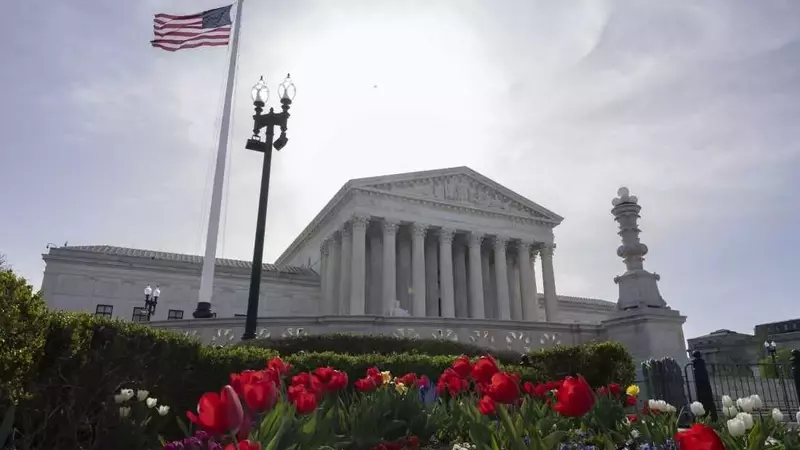
A recent demonstration outside the U.S. Supreme Court saw prominent MAHA figures, including wellness influencer Vani Hari, openly challenging the Trump administration. This protest coincided with a critical Supreme Court hearing regarding Bayer's liability in lawsuits alleging that its glyphosate-based product, Roundup, causes cancer. Hari articulated the movement's frustration, stating that protecting harmful chemicals is incompatible with promoting public health and encouraging healthy eating habits. The administration's decision to support pesticide manufacturers in this case, alongside an executive order aimed at boosting domestic glyphosate production, has been a major point of contention.
The World Health Organization previously classified glyphosate as "probably carcinogenic" a decade ago, a conclusion that the U.S. Environmental Protection Agency (EPA) did not concur with. More recently, leading environmental health scientists released a consensus statement affirming glyphosate's potential to cause cancer and urging immediate action. This scientific evidence further fuels the MAHA movement's concerns. The perceived contradiction between the administration's health rhetoric and its environmental policies was explicitly outlined in a letter to EPA administrator Lee Zeldin by MAHA advocates, highlighting a deep-seated philosophical divergence.
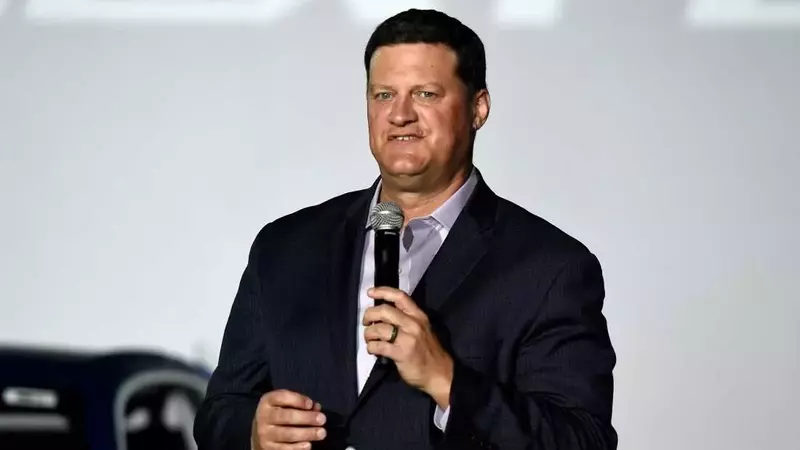
David Murphy, a former finance director for Kennedy's presidential campaign and co-founder of United We Eat, voiced his dismay to NPR. He expressed that MAHA members had not anticipated such policy directions, especially given Trump's previous support for Kennedy, an environmental lawyer known for litigating against Monsanto over glyphosate. Murphy characterized the situation as "pretty appalling." Similarly, Kelly Ryerson, known as "Glyphosate Girl" on social media, noted a decline in her optimism regarding the Trump administration's environmental stance, attributing it to the influx of individuals with ties to the chemical industry into key EPA positions.
Under Administrator Zeldin's leadership, the EPA has pursued a broad deregulatory agenda, inviting companies to seek exemptions from air pollution standards and rolling back crucial environmental protections. These actions include weakening drinking water standards for PFAS, or "forever chemicals," and reducing safeguards against air pollutants such as mercury and formaldehyde. The agency has also approved pesticides and insecticides with known health risks, and declined to regulate endocrine-disrupting phthalates in consumer products. Furthermore, millions of dollars in research grants for studying the health impacts of chemicals have been canceled. Betsy Southerland, a former EPA employee now with the Environmental Protection Network, remarked that these efforts have impacted "pretty much everything we eat, breathe, drink and use in our homes."
Despite the EPA's statement affirming its commitment to transparency, rigorous science, and open communication with the public and MAHA community, critics argue that the administration's actions speak louder than its words. Alexandra Muñoz, a toxicologist and MAHA coalition advocate, views the administration's gestures, such as adding microplastics and pharmaceuticals to the Contaminant Candidate List, as "PR stunts" rather than genuine protective measures. Chris Frey, an environmental engineering professor, echoed this sentiment, describing the Contaminant Candidate List as a "waiting room where contaminants go to be ignored," noting the lack of regulatory action on hundreds of listed contaminants. The dismantling of the key office for independent research on toxic chemicals and the loss of numerous scientists at the EPA have further crippled the agency's capacity for effective environmental protection.
Environmental advocacy groups are now engaged in legal battles against the Trump administration over these rollbacks. Sarah Vogel of the Environmental Defense Fund, which is suing the EPA over PFAS drinking water standards, believes the administration is attempting to appease its grassroots base with superficial concessions. However, she suggests that MAHA members, who are well-informed on these issues, are not being swayed. This ongoing tension underscores the significant challenge in reconciling the administration's stated health priorities with its deregulatory environmental policies.