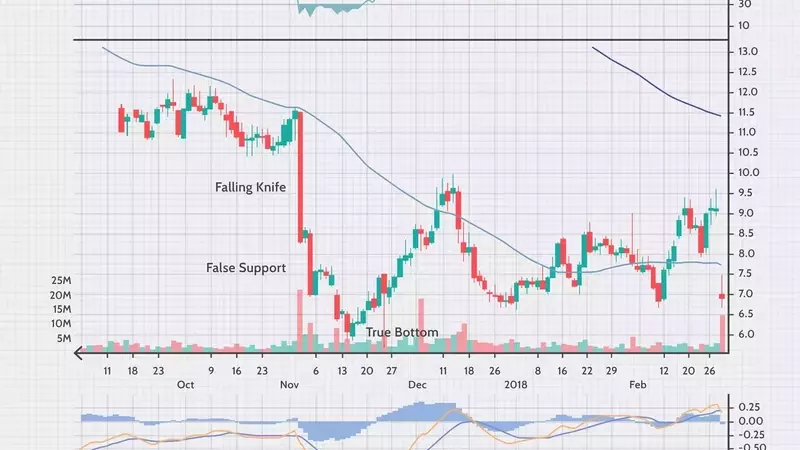

Lucky Strike Entertainment, represented by its ticker LUCK, faces considerable financial challenges, marked by a 28% stock decline over the past year. Despite this downturn, the company's forward EV/EBITDA multiple remains disproportionately high compared to the broader consumer discretionary sector. Factors such as diminishing consumer engagement, substantial debt, and a bleak growth outlook contribute to its precarious market standing. This analysis delves into these critical issues, providing a comprehensive overview of LUCK's current predicament and future prospects.
Market Analysis and Financial Outlook for Lucky Strike Entertainment
Lucky Strike Entertainment (LUCK) is grappling with a notable decrease in consumer interest, as evidenced by Google search trends for its key brands, including Bowlero and Raging Waters Los Angeles. This decline suggests a shifting landscape for entertainment venues, potentially impacting future revenue streams. Financially, LUCK's stock is currently trading at a premium when comparing its forward Enterprise Value to Earnings Before Interest, Taxes, Depreciation, and Amortization (EV/EBITDA) multiple to that of the broader consumer discretionary sector. Specifically, this premium stands at 22%, which is a significant figure given the company's modest forward EBITDA growth forecast of just 2%. This growth rate not only falls short of the sector average but also lags considerably behind LUCK's own historical five-year performance. The company is also burdened with a high level of debt, further complicating its financial stability. Considering these interwoven factors—declining consumer engagement, an inflated valuation, weak growth projections, and substantial financial leverage—the investment outlook for Lucky Strike Entertainment appears unfavorable.
From an investment perspective, these findings serve as a crucial warning. Investors should critically assess companies like Lucky Strike Entertainment, not merely on past performance or brand recognition, but on their ability to adapt to changing consumer behaviors and maintain financial discipline in a dynamic market. The premium valuation, juxtaposed with weak fundamentals, indicates a potential overvaluation, signaling a need for caution. This situation underscores the importance of thorough due diligence and a focus on intrinsic value over market sentiment when making investment decisions in the consumer discretionary sector.