Political Earthquake: Leadership Shift Rocks Japan Amidst Economic Crossroads
The Inevitable Departure: A Leader Takes Accountability
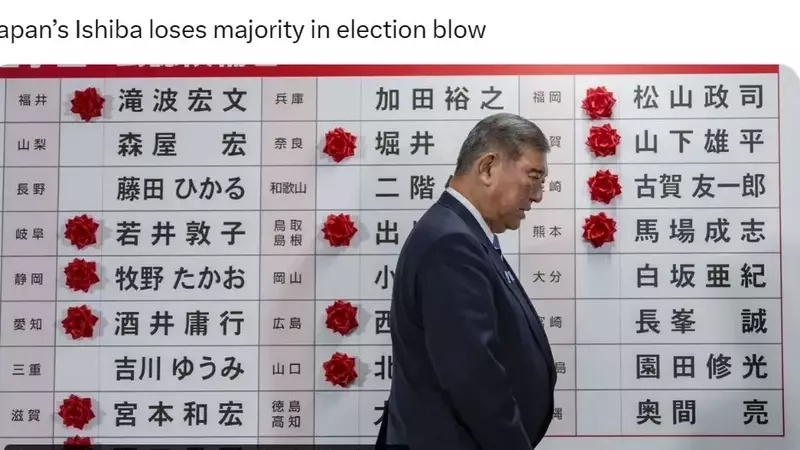
Recent dispatches from Reuters, citing sources close to the matter, confirm the imminent resignation of Japanese Prime Minister Ishiba. This decision is understood to be a direct consequence of the ruling party's disappointing performance in the recent elections, marking a swift and significant change in the nation's political leadership.
Unsettling Timing: A Nation Navigates Diplomatic Waters
The announcement of the Prime Minister's departure could not have come at a more delicate moment for Japan. His administration had just concluded sensitive trade negotiations with the United States, reaching an accord that now requires endorsement from domestic lawmakers. Ishiba's last-ditch efforts to secure his position appear to have been unsuccessful, adding a layer of complexity to the ratification process.
Economic Repercussions: Markets Brace for Political Turbulence
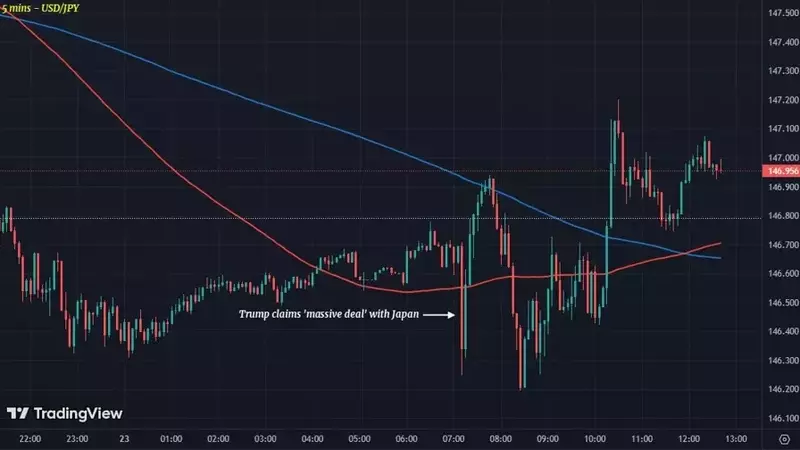
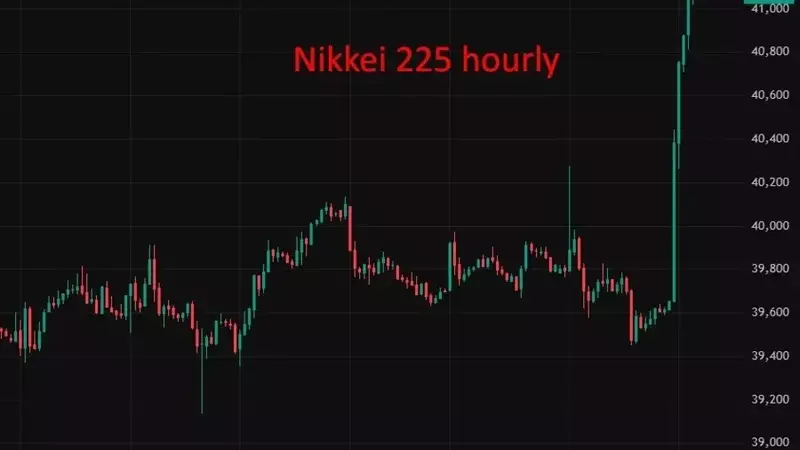
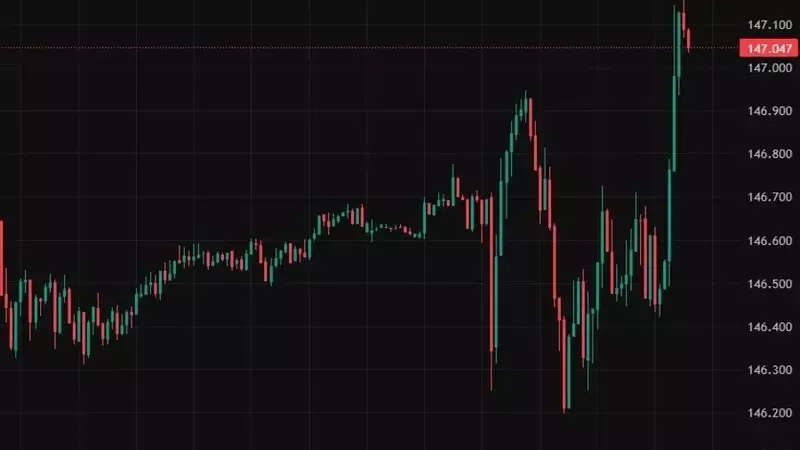
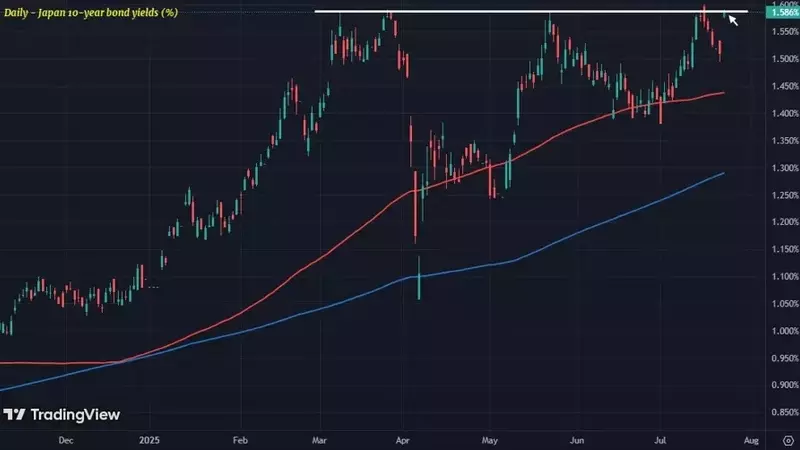
The sudden political vacuum is poised to introduce considerable uncertainty into Japanese financial markets. Investors and analysts are now grappling with fundamental questions regarding the drivers of bond yields – are they influenced by the Bank of Japan's monetary policy or by the heightened political instability preceding a potential snap election? While the Nikkei stock index currently shows resilience, the Japanese Yen has experienced a depreciation, with the USD/JPY pair advancing, underscoring the market's immediate reaction to the unfolding political drama.