Navigating Economic Headwinds: Stability Amidst Global Flux
The Surge in Oil Prices: A Catalyst for Regional Inflation
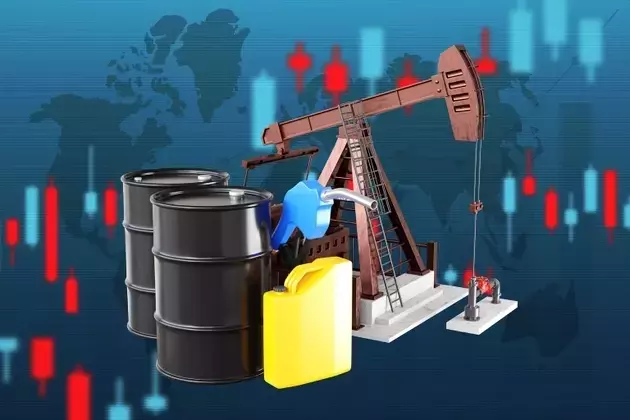
Earlier this year, military activities in the Strait of Hormuz led to a dramatic increase in Dubai Crude Oil prices, the primary benchmark for Southeast Asia. Prices more than doubled in just three weeks, soaring from approximately US$60 to US$137.82 per barrel. Although prices have since moderated, the ripple effects on regional inflation are already evident. The Asian Development Bank projects that inflation in Southeast Asia could nearly double, from 3.0% in 2025 to 5.6% in 2026, should these disruptions continue into the third quarter. This scenario also suggests a potential slowdown in economic growth, from 5.4% to 4.7%.
Interconnected Economies: External Shocks and Domestic Repercussions
Southeast Asian economies are heavily dependent on energy imports, particularly from the Middle East. S&P Global data indicates that roughly 90% of crude oil passing through the Strait of Hormuz is destined for the Asia-Pacific region. Nations like Thailand and Vietnam source a substantial portion of their oil imports from the Middle East (over 50% for Thailand and around 85% for Vietnam). This reliance means that any disruption in this critical maritime route quickly translates into domestic cost increases. Higher oil prices elevate manufacturing and shipping costs, impacting goods across sectors. Furthermore, increased fertilizer costs, also supplied by the Middle East, will affect agricultural production. Adding to these pressures, U.S. tariffs, while initially attracting some foreign investment and manufacturing relocation to the region, have also contributed to broader supply chain disruptions and heightened economic uncertainty, squeezing profit margins for exporters who often absorb these increased production costs.
Currency Instability: The Flight to Safety
The combination of economic risks and trade uncertainties has fueled volatility in Southeast Asian currencies, leading many investors to seek refuge in the relative stability of the U.S. dollar. However, this impact varies across the region. The Indonesian rupiah has experienced record lows against the U.S. dollar, despite interventions from Bank Indonesia. The Vietnamese dong, which began its decline in 2025, continues to face volatility due to high inflation, manufacturing, and shipping costs affecting export demand. Similarly, the Thai baht, after a period of strengthening, reversed course following the Middle East conflict, falling to a 10-month low.
Monetary Policy Dilemmas: Balancing Growth and Stability
Rising inflation, decelerating economic growth, and currency volatility present a complex challenge for Southeast Asian policymakers. Central banks must weigh the need to combat inflation by potentially raising interest rates or pausing rate cuts, against the imperative to support economic growth, which could be stifled by declining global demand for exports. The Bank of Thailand, for instance, has indicated its intention to maintain interest rates at 1% for as long as possible, adopting a "look-through strategy" for supply-side inflation, believing that stability is preferable to rate hikes that could harm domestic demand. The State Bank of Vietnam has kept rates steady but encouraged commercial banks to lower lending costs to support businesses. In contrast, Bank Indonesia has increased interest rates twice since the Middle East conflict began to stabilize its currency and control inflation, which reached 4.76% in February.
Investor Responses: Mitigating Risk in Uncertain Times
In response to this volatile environment, investors are taking various measures to mitigate risks. Retail investors are diversifying into perceived safe-haven assets, with gold remaining a popular choice. Others are utilizing foreign currency deposit accounts to shield themselves from domestic currency fluctuations. Institutional investors and foreign direct investors are employing hedging strategies, using financial derivatives like futures, options, and swaps to manage currency volatility. The future trajectory of oil prices is a critical factor for the region's markets. A return to pre-conflict price levels could re-ignite rate-cut cycles and stabilize currencies, while further escalation could exacerbate current economic challenges. For those involved in the region's markets, oil acts as both a direct cost input and a key macroeconomic indicator influencing various risks.