
Commodity markets are currently experiencing a complex interplay of forces, with a recent ceasefire in the Middle East prompting a partial decline from Q2 2026 highs in the Materials Price Index. Despite this retreat, the index is still expected to remain above Q4 2025 levels through 2028, suggesting a sustained period of higher prices for raw materials. This outlook is primarily influenced by ongoing geopolitical uncertainties and supply chain dynamics.
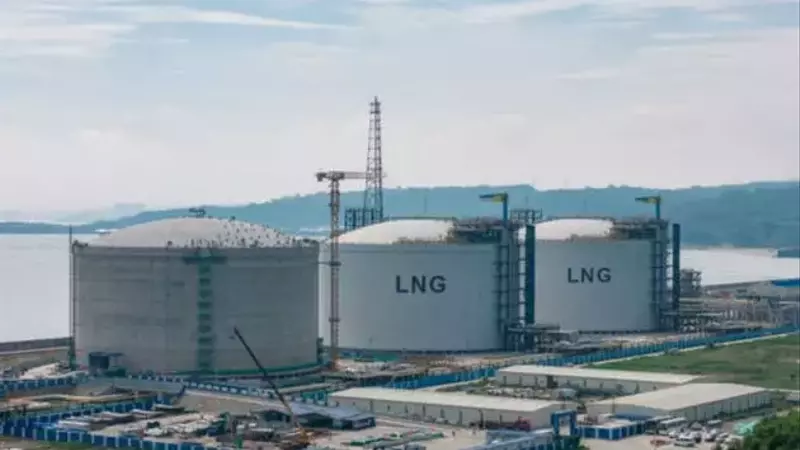
Specific commodities show varied responses to these market conditions. Aluminum prices, for instance, have undergone a significant correction, falling 16.2% from their June average due to improvements in global trade flows and a quicker-than-anticipated return of production at Gulf smelters. In contrast, crude oil price predictions have been adjusted downwards, with Brent crude now anticipated to average $87 per barrel in 2026, a notable reduction from the prior forecast of $103 per barrel, following a memorandum of understanding between the US and Iran. Steel prices are also forecasted to peak in Q2 2026 before easing in the latter half of the year, although the peak in the United States may extend into Q3 due to slower shifts towards import reliance.
Despite these adjustments, a substantial risk of price increases remains across the commodity spectrum. This risk is heavily contingent on the continued observance of the Middle East ceasefire and the unimpeded flow of trade through the Strait of Hormuz. Any disruption to this fragile stability could swiftly reverse current trends and push prices higher once again, underscoring the volatile nature of global commodity markets.
The global commodity market, characterized by its inherent volatility and sensitivity to geopolitical events, demands careful monitoring. While current forecasts indicate a 'higher for longer' price environment, the delicate balance of international relations, particularly in energy-rich regions, highlights the necessity for adaptive strategies and a keen awareness of potential disruptions. Maintaining peace and open trade routes is crucial for fostering stability and predictability in these essential markets.